DVIDIA / Skills
What will you teach?
Start with a task. Build a brief. Gather demonstrations.
About this tree
Topics organize proposed tasks, not prerequisites. Classes describe the kind of work; they do not rate footage, establish rewards or show robot readiness. Topic images are illustrations. Related footage uses publisher categories and may cover a broader topic than the selected task.
Start with something real
Skills taking shape.
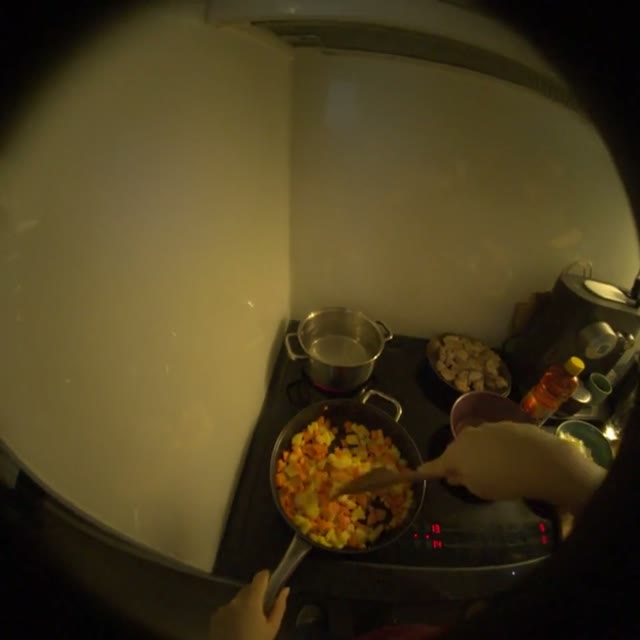
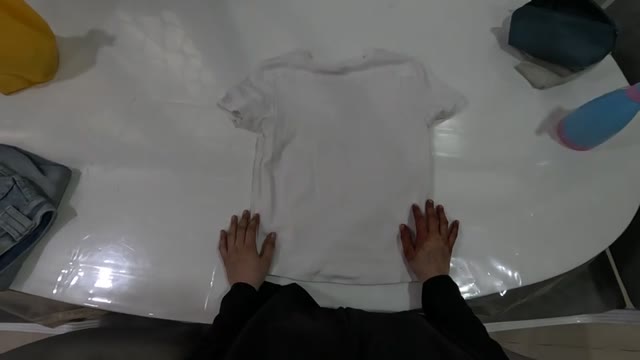
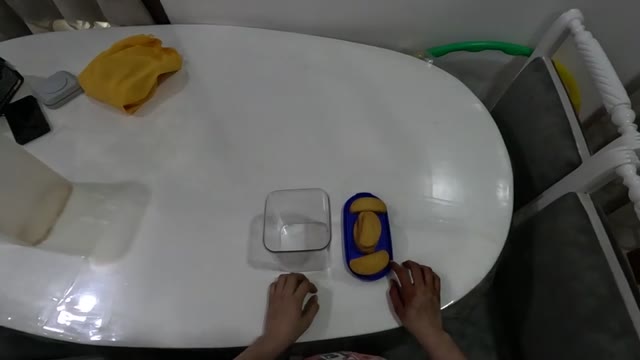
Ideas to contribute · Browse real footage
Industrial & commercial
Everyday work. Useful skills.
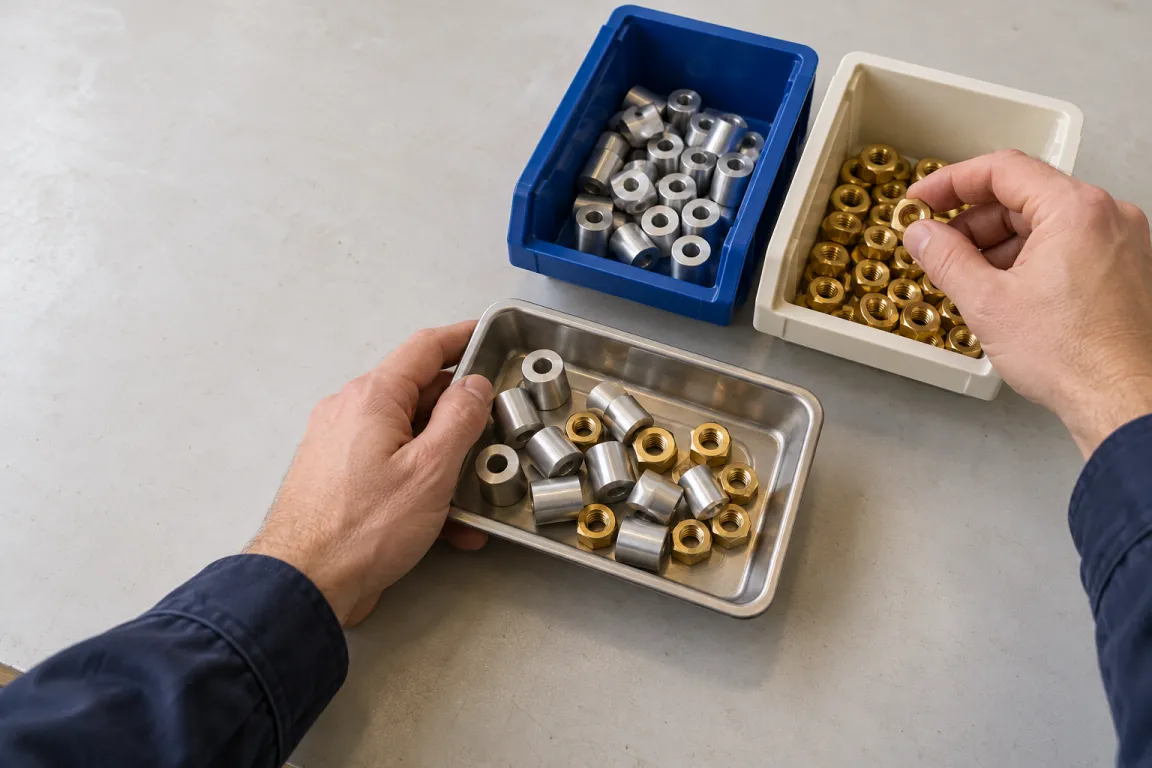
Sort small parts
Plan this task
Lift and place a box
Plan this task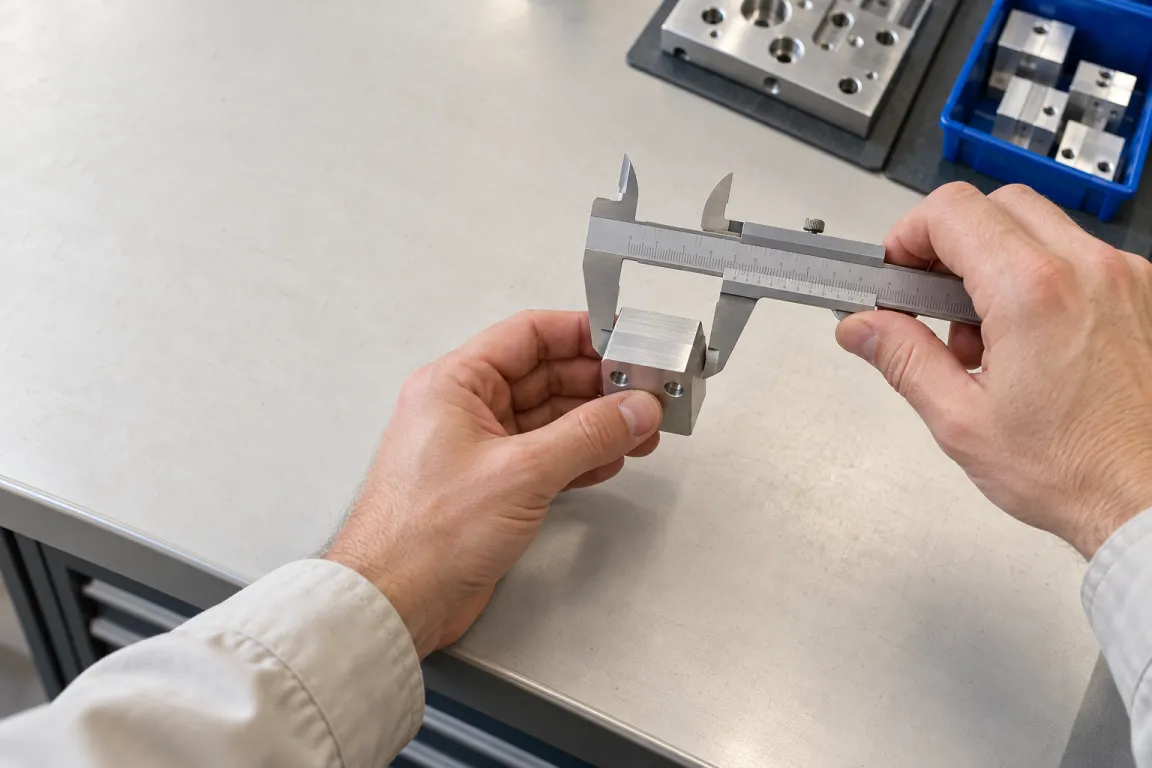
Check a component
Plan this task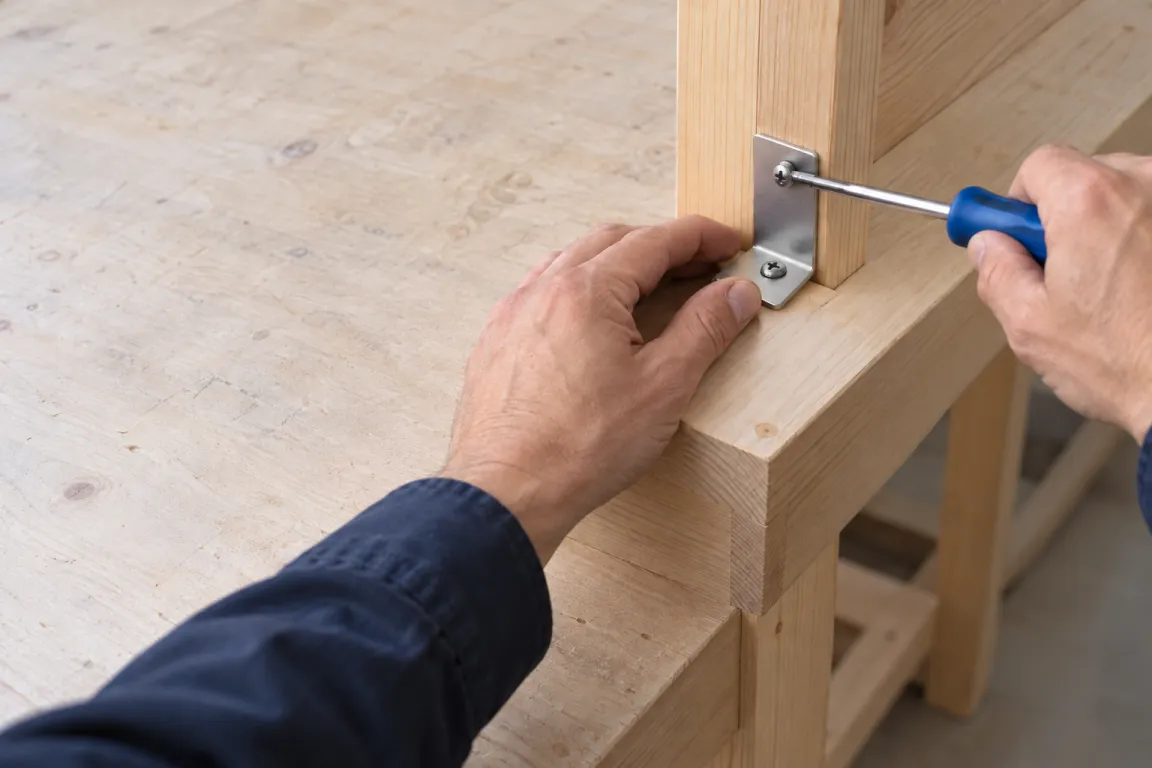
Install a bracket
Plan this task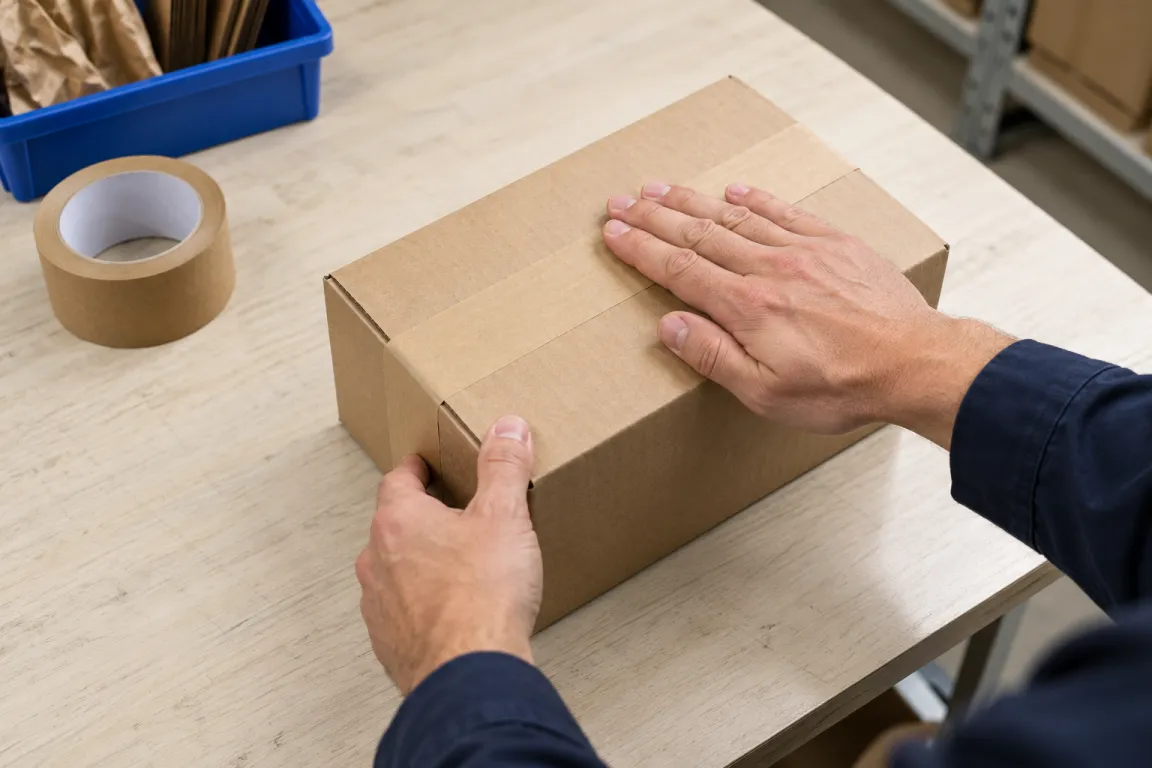
Seal a parcel
Plan this task
Restock a shelf
Plan this task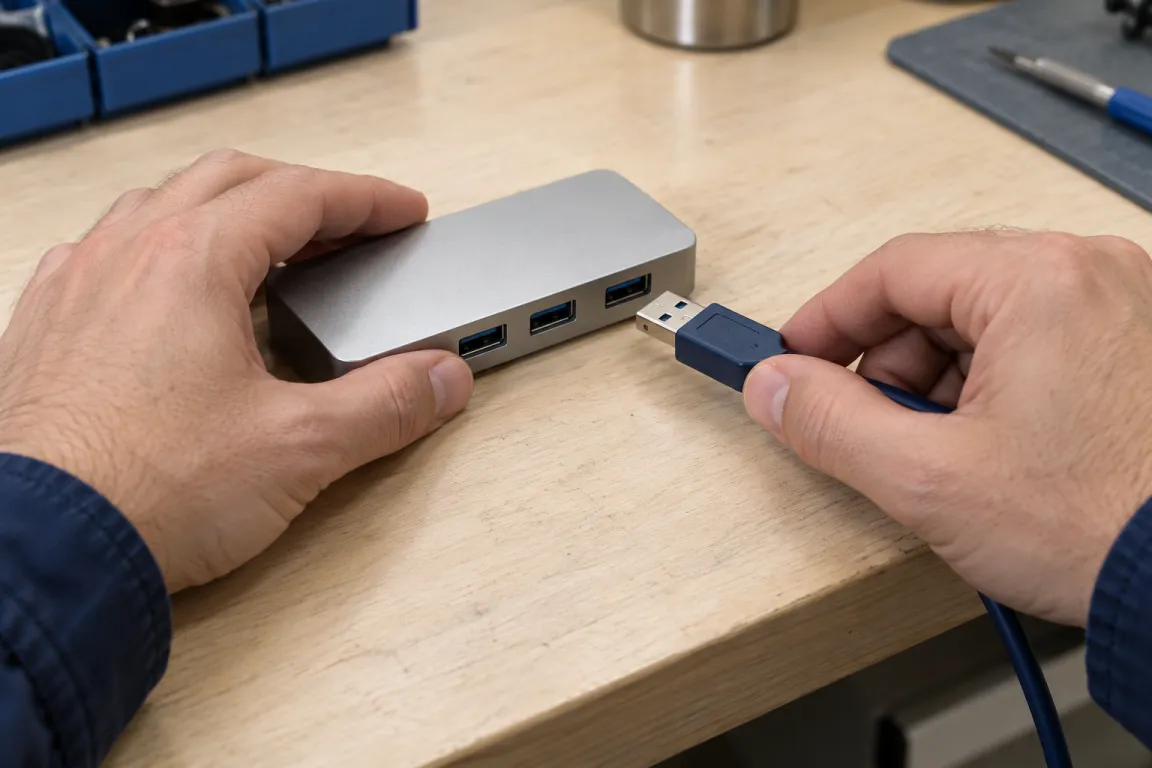
Connect a cable
Plan this task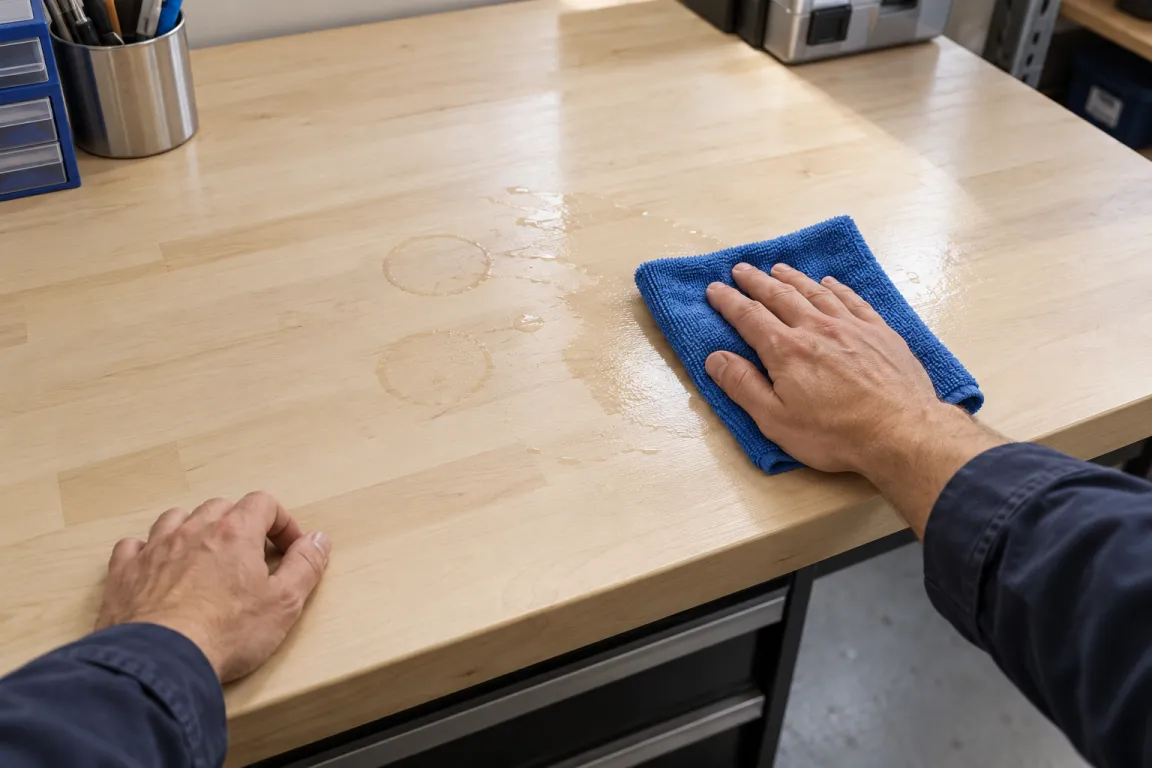
Clean a work surface
Plan this taskIllustrated concepts, ready for your first demonstration.


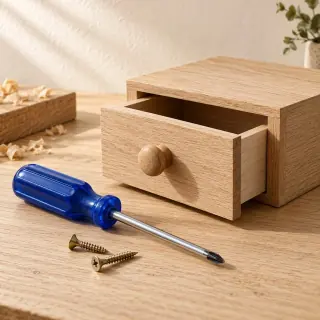




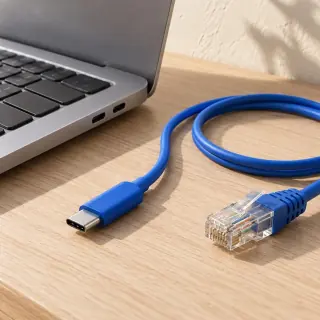

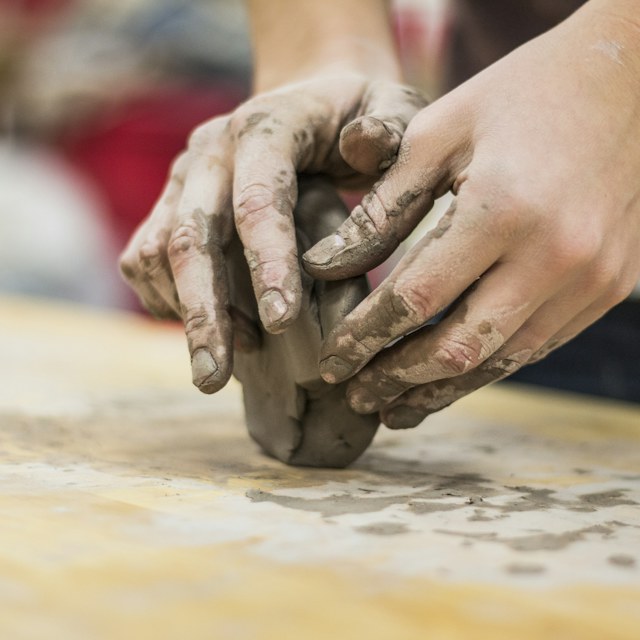
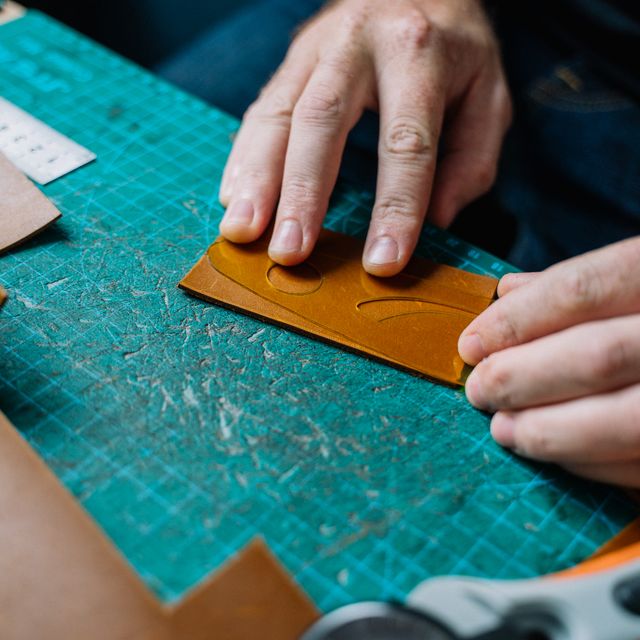
Image credits
The first three tiers use AI illustrations. Artisan uses real reference photographs. These images show example skills, not recording previews.
- Fine cooking — Tommaso Ubezio, Unsplash License.
- Ceramics — Alex Jones, Unsplash License.
- Leatherwork — Anna Tarazevich, Pexels License.
What makes a useful video?
Show the work.
Keep your hands and the task visible. Record a complete attempt, with a clear result.
Clarity over camera price.
Useful context, steady framing and detail matter. Higher resolution alone does not establish quality.
Storage is a separate choice.
Contributing does not require a purchase. Planned premium tiers add hosting capacity; open releases keep their licenses.
About storageHow does footage become a robot skill?
Show how it’s done.
A person records a real task. Keep the original footage, contributor credit and permission together.
Useful for observing actions and outcomes.The path we’re building. DVIDIA does not yet offer robot-tested policies.
A skillspace brings a task, its demonstrations and review together. A video is a starting point; training and real-world testing still come next.
Plan a skillspace